How to Prevent Mold in Your HVAC Ducts: A Canyon Lake Homeowner’s Guide
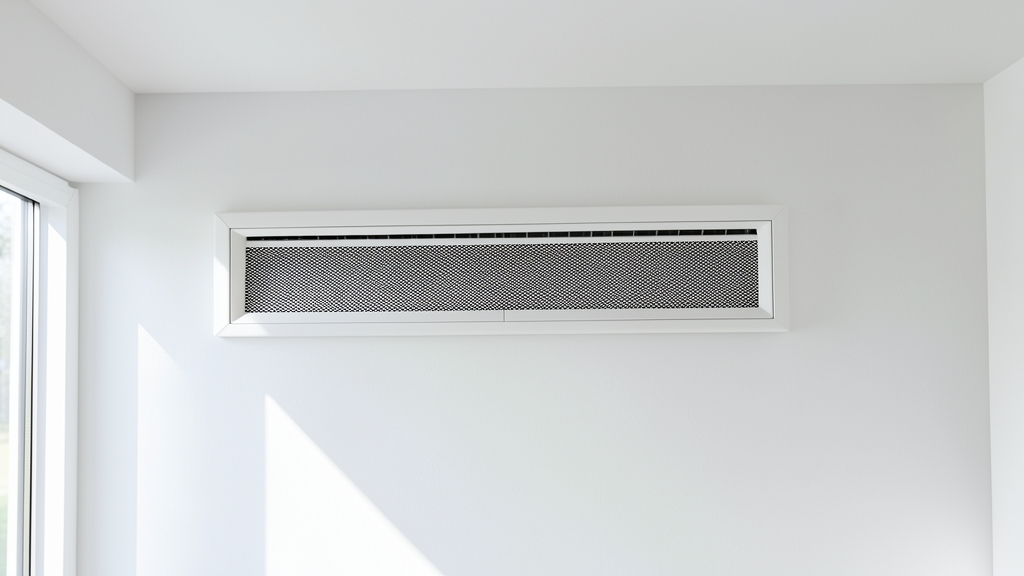
Mold in HVAC ducts is a silent invader, circulating spores through your Canyon Lake home every time the system kicks on. Left unchecked, it can trigger allergies, damage ductwork, and even spread to attics or crawl spaces. We’ll walk you through proven prevention steps—no guesswork, just trade-tested solutions.
Why HVAC Ducts in Canyon Lake Are Mold Magnets
Our region’s warm days and cool nights create the perfect storm: moisture condenses inside ducts when humid air meets chilled surfaces. Add organic dust buildup, and mold spores find an ideal environment.
Poorly sealed ducts or leaks near attics and crawl spaces pull in even more humidity. In neighborhoods like Sun City or Wildomar, older homes often lack modern vapor barriers, accelerating the problem.
Signs Your Ducts Might Be Harboring Mold
Musty odors that flare up when the HVAC runs are the most common red flag. If the smell lingers after filter changes, mold may be entrenched in the duct lining or coils.
Visible black or greenish specks around vents or on duct seams confirm active growth. Allergy flare-ups—sneezing, itchy eyes—when indoors can also signal airborne spores.
Mold odors often precede visible growth. If you detect a persistent musty scent, schedule a Mold Inspection or Air Quality Testing before spores spread to living spaces or adjacent areas like attics or basements.
Humidity: The Root Cause in Canyon Lake’s Climate
Relative humidity above 60% fuels mold growth. During our damp springs or after rare heavy rains, indoor humidity can spike—especially in homes without proper ventilation.
Bathrooms, kitchens, and laundry rooms add moisture, but it’s the HVAC system’s job to dehumidify. If your system is oversized, it cools too quickly, leaving moisture behind in ducts.
HVAC Maintenance: Your First Line of Defense
Replace pleated filters every 1-3 months—HEPA filters capture spores but clog faster. Cheap fiberglass filters won’t cut it; they let spores and dust pass right through.
Schedule annual duct inspections. Professionals use borescopes to check for mold, debris, or condensation in hard-to-reach sections. In Lake Elsinore and Murrieta, we often find hidden growth near duct joints.
Quarterly HVAC Mold Prevention Tasks
- Inspect and replace air filters
- Check drain pans and lines for standing water
- Vacuum vents and registers with a HEPA vacuum
- Ensure outdoor condensate lines are clear and sloped
Duct Cleaning vs. Mold Remediation: Know the Difference
Standard duct cleaning removes dust and debris but won’t kill mold. If mold is present, a full Mold Remediation protocol is required: containment, HEPA vacuuming, antimicrobial treatment, and moisture control.
For severe cases, especially in crawl spaces or attics, we often pair duct remediation with Crawl Space Encapsulation or Attic Mold Remediation to prevent recurrence.
| Service | Target | Process | When Needed |
|---|---|---|---|
| Duct Cleaning | Dust, debris | Mechanical brushing, vacuuming | Every 3-5 years or after renovations |
| Mold Remediation | Active mold spores | Containment, HEPA filtration, antimicrobials, moisture control | Visible mold, musty odors, or positive Mold Testing |
| Mold Inspection | Hidden mold, air quality | Borescope, surface/air sampling | Before buying a home or if symptoms persist |
Seal and Insulate: Stop Condensation Before It Starts
Uninsulated ducts in attics or crawl spaces sweat when warm, moist air meets cold metal. Seal all seams with mastic (not duct tape) and wrap ducts in R-6 or R-8 insulation.
In Sun City and Menifee, we often see ducts running through unconditioned garages—another hotspot for condensation. Vapor barriers on duct wraps add extra protection.
Duct tape fails over time. Mastic sealant creates an airtight, long-lasting bond. Apply it to all joints and seams, then reinforce with foil tape if needed.
Dehumidifiers and Ventilation: Your Climate Control Allies
Whole-house dehumidifiers integrate with your HVAC to maintain safe humidity levels. In Canyon Lake’s shoulder seasons, when AC runs less, these systems prevent moisture buildup.
Exhaust fans in bathrooms and kitchens should vent outside—not into attics. For crawl spaces, a dedicated dehumidifier or encapsulation system can be a game-changer.
When to Call a Pro: Red Flags for Canyon Lake Homeowners
If you see mold, smell it, or experience unexplained health issues, DIY fixes won’t cut it. Professional Mold Testing identifies the strain and extent, while Mold Remediation ensures it’s gone for good.
Water damage—from leaks, floods, or even high humidity—often precedes mold. If your home has a history of water issues, pair Mold Inspection with Water Damage Restoration to address the root cause.
How to Inspect Your HVAC Ducts for Mold
A quick visual and sensory check can reveal early warning signs before mold takes hold.
- 1Turn Off the HVAC System
Safety first. Shut off power at the breaker to prevent the blower from kicking on while you’re inspecting.
- 2Remove Vent Covers
Use a screwdriver to pop off registers and return vents. Shine a flashlight into the ducts to look for black, green, or white specks.
- 3Check for Musty Odors
Sniff near the vents and inside the duct openings. A musty smell, even if faint, suggests mold or mildew.
- 4Inspect for Condensation
Feel the duct exterior for moisture or water droplets. Pay extra attention to joints, bends, and sections in attics or crawl spaces.
- 5Look for Dust Buildup
Excessive dust or debris can trap moisture and feed mold. If ducts are caked with dust, it’s time for a professional cleaning.
- 6Reassemble and Monitor
Replace vent covers and restore power. If you find mold or suspect hidden growth, call for a Mold Inspection or Air Quality Testing.
Frequently Asked Questions
Can I use bleach to clean mold in my HVAC ducts?
No. Bleach is ineffective on porous duct materials and can damage HVAC components. Professionals use EPA-approved antimicrobials and HEPA vacuuming to safely remove mold without harming your system.
How often should I have my ducts professionally cleaned in Canyon Lake?
Every 3-5 years for most homes, but annually if you have allergies, pets, or a history of mold. After any Water Damage Restoration, inspect ducts immediately—mold can start growing within 24-48 hours.
Does my home insurance cover mold remediation?
It depends on the cause. Sudden water damage (e.g., a burst pipe) is often covered, but gradual issues like humidity or poor maintenance usually aren’t. Check your policy and request a quote for remediation costs.
What’s the difference between Mold Testing and Air Quality Testing?
Mold Testing identifies the type and concentration of mold spores on surfaces. Air Quality Testing measures airborne spores and other contaminants. For HVAC ducts, we often recommend both to get a full picture.
Can mold in ducts affect my health?
Yes. Mold spores circulating through ducts can trigger allergies, asthma, and respiratory issues—especially in children, the elderly, or those with compromised immune systems. If symptoms worsen indoors, it’s a sign to act fast.
I live in Wildomar—are my ducts at higher risk?
Wildomar’s older homes and proximity to open land can mean more dust and organic debris in ducts. Combined with our regional humidity, the risk is real. Regular inspections and maintenance are key.