Common Mold Types in Canyon Lake Homes and How to Treat Them
Canyon Lake’s warm climate and occasional humidity spikes create ideal conditions for mold growth. We see specific mold types recurring in local homes, each requiring targeted remediation. Left unchecked, these colonies can compromise air quality and structural integrity.
Why Mold Thrives in Our Local Climate
Inland Southern California’s dry heat doesn’t stop mold—it just changes where it hides. Poor ventilation in attics or crawl spaces traps moisture from daily temperature swings.
Lake Elsinore and Menifee share similar patterns: AC condensate, plumbing leaks, or even high indoor humidity from showers can feed colonies behind walls or under flooring.
Seasonal Santa Ana winds can stir up outdoor spores, which then settle and grow in damp indoor environments.
The 5 Most Common Mold Types We Remove
Cladosporium appears as black or green spots on surfaces like drywall, wood, or fabrics. It’s allergenic and thrives in both warm and cool areas, often in bathrooms or basements.
Aspergillus is versatile, growing in dust, insulation, and decaying organic matter. Some strains produce mycotoxins, posing health risks with prolonged exposure.
Stachybotrys—often called black mold—is dark green or black with a slimy texture. It requires constant moisture, so it’s a red flag for hidden water damage.
Penicillium spreads quickly on water-damaged materials, emitting a musty odor. It’s common after flooding or slow leaks in Sun City or Wildomar homes.
Alternaria is a fast-growing, dark-colored mold frequent in showers, under sinks, and around windows with condensation issues.
| Mold Type | Color & Texture | Common Locations | Health Risk Level |
|---|---|---|---|
| Cladosporium | Black or green, powdery | Bathrooms, basements, HVAC ducts | Moderate (allergenic) |
| Aspergillus | Yellow, green, or gray, fuzzy | Insulation, drywall, dust | Moderate to High (some toxic) |
| Stachybotrys | Dark green/black, slimy | Behind drywall, under flooring, crawl spaces | High (mycotoxin producer) |
| Penicillium | Blue, green, or yellow, velvety | Water-damaged walls, carpets, attics | Moderate (allergenic) |
| Alternaria | Dark green or black, fuzzy | Showers, sinks, window frames | Moderate (allergenic, asthma trigger) |
Signs You Have a Mold Problem
Visible growth is the most obvious sign, but mold often hides. Musty odors, especially in enclosed spaces like attics or crawl spaces, indicate active colonies.
Water stains on ceilings or walls, peeling paint, or warped flooring suggest past or ongoing moisture issues—prime conditions for mold.
Health symptoms like persistent coughs, headaches, or allergy flare-ups can signal poor indoor air quality, often tied to hidden mold.
Mold behind drywall or under flooring can spread rapidly. If you smell it but can’t see it, assume it’s worse than it looks and call for a professional inspection.
How We Diagnose Mold in Your Home
Our mold inspection starts with a visual assessment, using moisture meters to detect hidden water sources. Thermal imaging helps locate temperature anomalies behind walls.
Mold testing and air quality testing confirm the type and spore count. Surface samples identify specific strains, while air samples measure airborne spore levels.
We prioritize areas prone to moisture: attics, crawl spaces, basements, and around plumbing. In Murrieta and Lake Elsinore, we often find issues in poorly ventilated bathrooms or laundry rooms.
Treatment Methods for Each Mold Type
Non-porous surfaces with Cladosporium or Penicillium can often be cleaned with antimicrobial solutions. Porous materials like drywall usually require removal and replacement.
Stachybotrys demands containment to prevent spore spread. We use HEPA air scrubbers and negative air pressure during remediation to isolate the area.
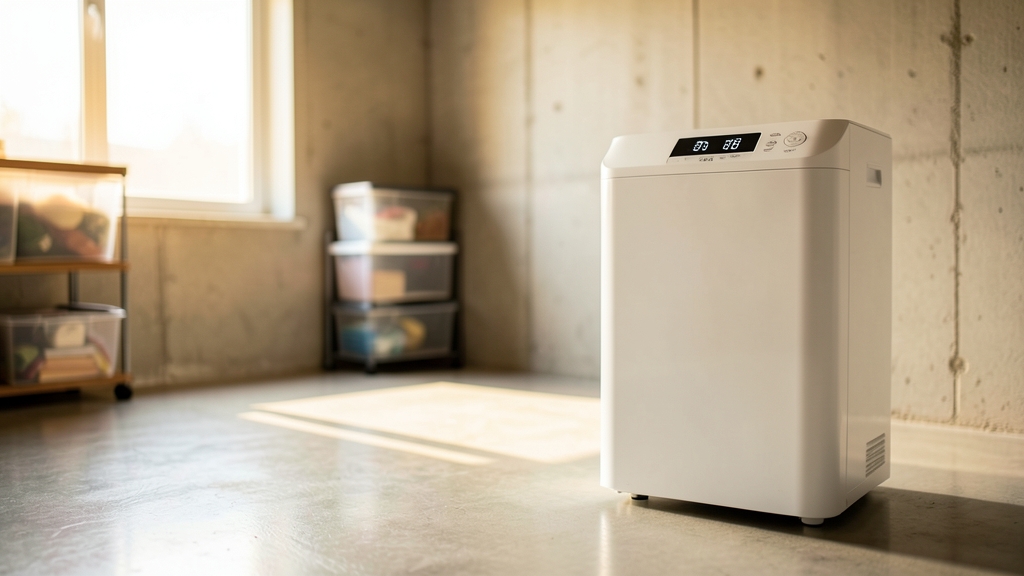
For widespread infestations, especially in crawl spaces or attics, we may recommend encapsulation or improved ventilation. Dehumidifiers and moisture barriers help prevent recurrence.
Bleach kills surface mold but doesn’t address spores or hidden growth. Professional remediation ensures thorough removal and prevents regrowth.
Mold Remediation vs. Mold Removal: What’s the Difference?
Mold removal refers to physically eliminating mold from surfaces. Remediation goes further: it addresses the root cause, contains the spread, and restores air quality.
In Canyon Lake, remediation often includes water damage restoration, especially after leaks or flooding. Without fixing the moisture source, mold will return.
Our team follows IICRC S520 standards, ensuring safe, effective treatment. This includes post-remediation verification to confirm the problem is resolved.
Preventing Mold Regrowth After Treatment
Controlling humidity is key. Keep indoor levels between 30-50% with dehumidifiers, especially in basements or crawl spaces.
Fix leaks promptly and ensure proper drainage around your home’s foundation. In areas like Wildomar, poor grading can lead to water intrusion.
Improve airflow with exhaust fans in bathrooms and kitchens. Regular HVAC maintenance, including filter changes, reduces spore circulation.
Mold Prevention Checklist
- Use dehumidifiers in damp areas (basements, crawl spaces)
- Repair leaks in roofs, pipes, or windows immediately
- Ensure proper ventilation in bathrooms, kitchens, and laundry rooms
- Inspect attics and crawl spaces annually for moisture or growth
- Clean and dry water-damaged areas within 24-48 hours
- Use mold-resistant products (e.g., drywall, paint) in high-risk areas
When to Call a Professional
If mold covers more than 10 square feet, or if it’s in your HVAC system, professional remediation is necessary. DIY methods can disturb spores and worsen the problem.
Health symptoms linked to mold exposure—like respiratory issues or skin irritation—should be addressed promptly. We prioritize safety and thoroughness in every job.
For commercial properties or multi-unit buildings in Canyon Lake or Menifee, specialized equipment and protocols are essential to protect occupants.
How to Respond to a Suspected Mold Problem
If you suspect mold, act quickly to minimize damage and health risks.
- 1Isolate the Area
Close doors or use plastic sheeting to contain the space. Avoid disturbing the mold, as this can release spores into the air.
- 2Turn Off HVAC Systems
Prevent spores from spreading through your home’s ventilation. This includes furnaces, air conditioners, and fans.
- 3Identify and Stop Moisture Sources
Locate leaks, condensation, or high humidity areas. Fix these issues immediately to prevent further growth.
- 4Contact a Professional
For accurate diagnosis and safe remediation, schedule a mold inspection. We’ll assess the extent and recommend a treatment plan.
- 5Avoid DIY Cleanup for Large or Toxic Mold
If the mold covers a large area or you suspect Stachybotrys, leave it to experts. Improper handling can worsen contamination.
Frequently Asked Questions
Is black mold in Canyon Lake homes dangerous?
Stachybotrys (black mold) can produce mycotoxins, which may cause health issues with prolonged exposure. However, not all black mold is Stachybotrys—testing is the only way to confirm. We always prioritize safe, thorough removal regardless of the type.
How long does mold remediation take in a typical Canyon Lake home?
Timelines vary based on the extent of the infestation and the affected areas. A small, contained issue may take 1-2 days, while large or hidden mold in crawl spaces or attics can require a week or more. We provide a detailed estimate after inspection.
Can mold come back after remediation?
Yes, if the moisture source isn’t addressed. That’s why our process includes identifying and fixing the root cause, whether it’s a leak, poor ventilation, or high humidity. We also offer moisture control solutions to prevent recurrence.
Do I need to leave my home during mold remediation?
For small, contained projects, you may not need to relocate. However, extensive remediation—especially for toxic mold or large areas—often requires temporary evacuation for safety. We’ll advise you based on the scope of work.
Are mold inspections and testing the same thing?
No. A mold inspection is a visual and moisture assessment to locate potential problems. Mold testing involves collecting surface or air samples to identify specific types and spore counts. Both are often needed for a complete diagnosis.
Does homeowners insurance cover mold remediation in Canyon Lake?
Coverage depends on your policy and the cause of the mold. If it’s due to a covered water damage event (e.g., a burst pipe), insurance may pay for remediation. However, mold from neglect or high humidity is often excluded. Request a quote to understand your options.